6 mins read


The sticker price at the dealership is only one part of what a car ultimately costs. Long after they drive off the lot, drivers are still paying to finance, maintain and keep their vehicles on the road, often with expenses they didn’t anticipate. In Caribou’s survey of 2,000 U.S. car owners, 38% of drivers had an unexpected car expense of $500 or more in the past year.
Here’s five major ownership costs and where drivers may have opportunities to save.
Understand the full cost of your car loan
The car payment is the number most drivers watch because that’s what shows up on your monthly bank statement, but that’s only part of your loan. In Caribou’s survey, 70% of drivers could recall their monthly payment, while only 25% could recall how much interest they’ll pay over the life of their loan.

Knowing how much interest you’re paying matters more as car loans get longer. The average loan for a new vehicle stretched to 70.5 months in Q3 2026, according to Edmunds.1 A longer term lowers the monthly payment, but it generally raises the total interest paid because the principal shrinks more slowly over more months.
Look up the interest in your auto loan, which is listed on the Truth in Lending disclosure in your loan contract. If your credit has improved since you bought the car or rates have shifted favorably, you may qualify for a lower rate by refinancing. Use a refinance calculator to see how much you could save. When comparing loan offers, look at the total cost of the new loan, not only the monthly payment.
Plan for repairs before something breaks
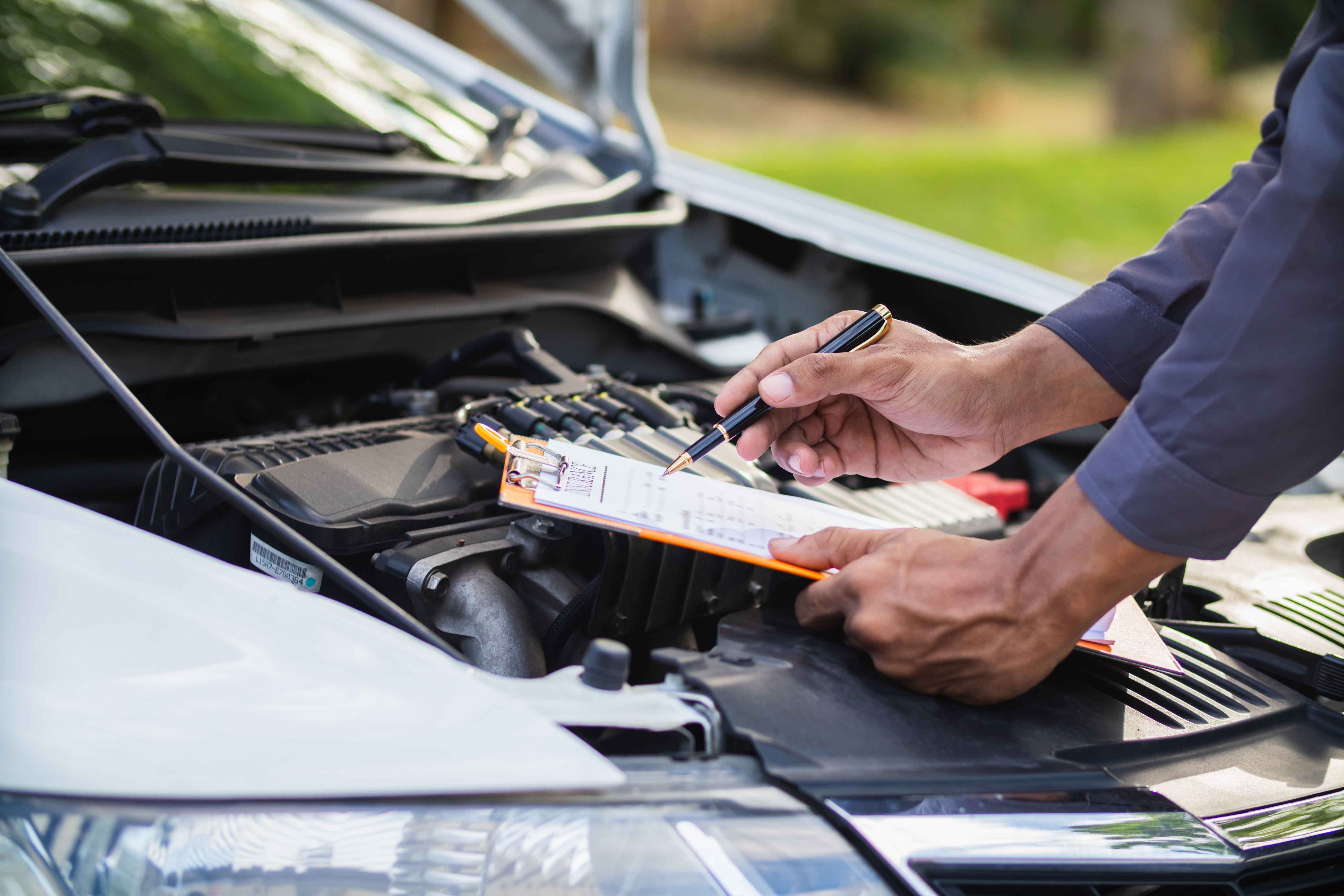
Routine maintenance is part of owning any car, but it has become harder to anticipate and afford. Prices for motor vehicle maintenance and repair rose 4.9% from January 2025 to January 2026, according to the Bureau of Labor Statistics.2
In Caribou’s survey, 41% of drivers said they were surprised equally by how expensive and frequent car repairs are. Tires are another pain point, with 41% saying the cost of a full set of new tires has caught them off guard.

Catching small issues early can help prevent bigger repair bills. Follow the maintenance schedule for your vehicle instead of waiting for something to break. Regular rotation, balancing and alignment help extend the life of your tires. Keeping them properly inflated alone can add an average of 4,700 miles, according to the National Highway Traffic Safety Administration.3
Preventive maintenance can reduce the risk of bigger problems, but it won’t eliminate surprise breakdowns. Once a manufacturer’s warranty expires, a vehicle service contract (VSC) can help cover repairs to major components such as the engine, transmission, heating and cooling system, and brakes. This coverage can make an unexpected major repair easier to manage.
Find savings at the pump
Gas prices have become a major pressure point on household budgets this year as Americans face skyrocketing prices at the pump. The national average for regular unleaded reached $4.36 a gallon as of October 6, 2026, according to AAA. That’s 39% higher than a year ago. Premium gas is even higher at $5.27 a gallon.4
You can spend less on fuel by accelerating and braking smoothly, combining errands into fewer trips and comparing prices with a gas app. It’s also worth checking what octane rating your car actually needs. Your owner’s manual will say whether premium gas is required or only recommended. If premium fuel is only recommended, rather than required, many modern engines can safely run on regular gas and automatically adjust for the lower octane.
Shop around for insurance policies
One in five drivers in Caribou’s survey said they’ve been caught off guard by an insurance premium increase after a claim or ticket. Car insurance is easy to overlook because many drivers set their policy once and forget about it. Car insurance premiums have risen 55% since 2020, according to the Bureau of Labor Statistics.5 There are several contributing factors for this spike, such as costly repairs on modern and complex vehicles, rising medical costs, and more extreme weather events in some states.
Shopping around for quotes at least once a year can help lower car insurance costs. Rates vary widely by insurer, and changes to your driving record or financial situation could affect what you pay. Additionally, ask about discounts for bundling with home or renters insurance, safe driving, or low mileage.
Make sure depreciation is part of the equation
Lastly, it’s not just what you pay for your car but how its value changes over time. According to Caribou’s survey, 31% say their car has depreciated faster than they expected, more than double the share who said it lost value more slowly than expected.
Depreciation matters most when it’s time to sell or trade in your car, and your loan term can make a big difference. If the car loses value faster than you pay down the balance, you can end up owing more than it’s worth, known as negative equity. Longer loan terms can increase that risk because the balance declines more slowly during the early years, when vehicles often lose value the fastest.
When financing a car, ask yourself how old it will be when you finally own it outright. A larger down payment or a shorter loan term can help you build equity faster. Keeping up with maintenance can also help support resale value.
See the whole picture
A car’s price tag and monthly payment are just the starting point. The average annual cost to own and operate a new car in 2026 is $12,863, according to AAA’s analysis.6 Your own total will depend on what you drive, where you live and how you financed it. But understanding every cost outlined is what makes it possible to find ways to save money.
Start by looking at the costs you can control. Review your loan and insurance rate, stay ahead of maintenance, and understand how quickly you’re building equity. Small savings across several parts of car ownership can add up over time.
1Edmunds, “New-Car Financing Records Pile Up in Q3 as Buyers Borrow More and Stretch Loans Longer, According to Edmunds”
2Bureau of Labor Statistics, Consumer Price Index, January 2026
3National Highway Traffic Safety Administration, TireWise
4AAA, National Average Gas Prices
5Bureau of Labor Statistics, Motor vehicle insurance
6AAA, New Vehicle Ownership Costs Hit $12,863 Annually